
Mega Man Legends
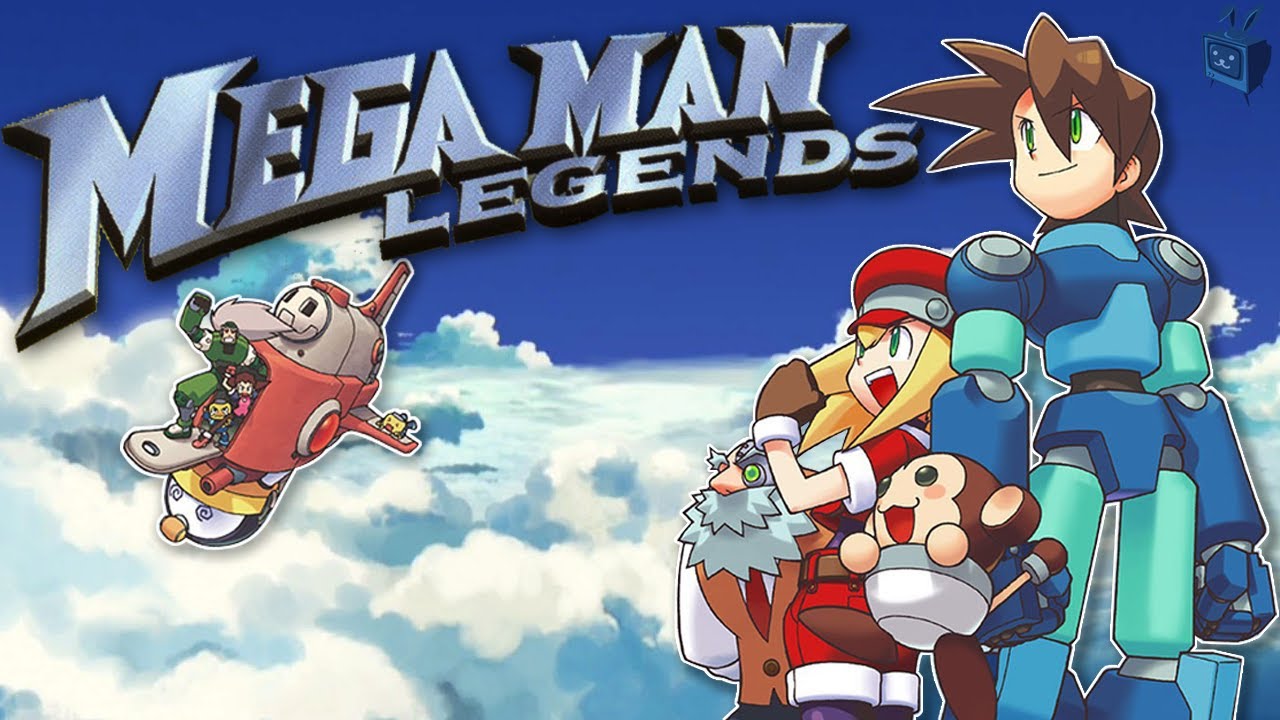
The first fully 3D Mega Man game, transforming the series into an action-adventure with RPG elements. Mega Man and his friends crash on Kattelox Island and confront pirates seeking hidden treasure. Navigate brightly colored towns and sprawling polygonal landscapes, exploring a sandbox-style environment. The transition from 2D platforming to 3D adventure was well-received, introducing new mechanics while maintaining the series' charm.
.png)
| Platform | Sony PlayStation |
|---|---|
| Genre | 3D Action-Adventure |
| Released | |
| Developer | Capcom |
| Publisher | Capcom |
| Available | PS1, PS3, PS Vita |
Where to Play
About This Game
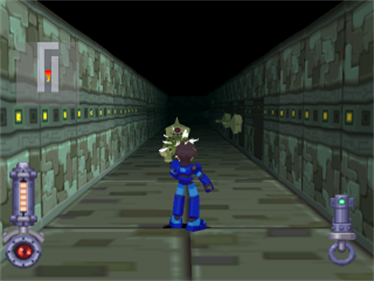
Mega Man Legends was developed by Capcom and released for the PlayStation in 1997 in Japan (1998 in North America), marking the Blue Bomber's first fully 3D adventure. Set in a world flooded by endless ocean, players control MegaMan Volnutt—a "Digger" who explores ancient underground ruins for energy crystals alongside his spotter Roll Caskett. The game traded the series' trademark precision platforming for an open-world action-adventure structure with town exploration, NPC conversations, and dungeon crawling, drawing comparisons to early 3D Zelda games.
The shift in tone and gameplay divided the fanbase but earned Legends a devoted cult following. The game's warm, cel-shaded aesthetic, charming voice acting, and the recurring incompetence of the Bonne family villains gave it a personality entirely its own within the Mega Man universe. Its legacy is marked by both love and heartbreak—Capcom announced Mega Man Legends 3 for the Nintendo 3DS in 2010, only to cancel it in 2011, sparking one of the most passionate fan campaigns in gaming history. The original remains a beloved oddity: proof that Mega Man could be so much more than just running and shooting.
Did You Know?
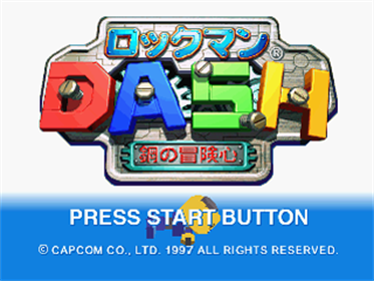
- Rockman DASH stands for something — The Japanese title, Rockman DASH, is an acronym for "Digouter's Adventure Story in the Halcyon Days." The Western title, Mega Man Legends, was chosen for broader market appeal and to distance it from the classic side-scrolling series.
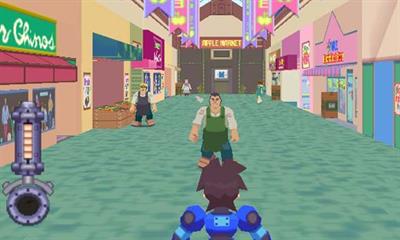
- Kattelox Island was designed to feel alive — The game's vibrant Mediterranean-style island architecture was unusual for a 1997 action game. The development team prioritized making the town feel like a living, breathing place players would want to explore even without combat — with NPCs on schedules and shops to browse.
- The Servbots became Capcom mascots — The 41 tiny yellow Lego-like robots serving the Bonne family became so popular that they appeared in numerous Capcom crossover games, including Marvel vs. Capcom 2 and Dead Rising, becoming some of the company's most recognizable mascot characters.
- Mega Man Legends 3 was famously cancelled — Capcom announced a sequel for the Nintendo 3DS in 2010 with an unprecedented "Devroom" initiative where fans could contribute ideas and vote on designs. Its cancellation in 2011 sparked the "100,000 Strong for Bringing Back Mega Man Legends 3" fan campaign, one of the most passionate organized fan efforts in gaming.
Critical Reception
Accolades
- #7 Best Mega Man Game of All Time — IGN, 2011
- Cult Classic recognition across retrospective lists — Multiple outlets
- 76/100 Metacritic aggregate score — Metacritic
Club Achievements
Get All Buster Parts
Gold
High Score on All Mini Games
Silver
Beat the Game
BronzeOther Participants
Speedrun Records
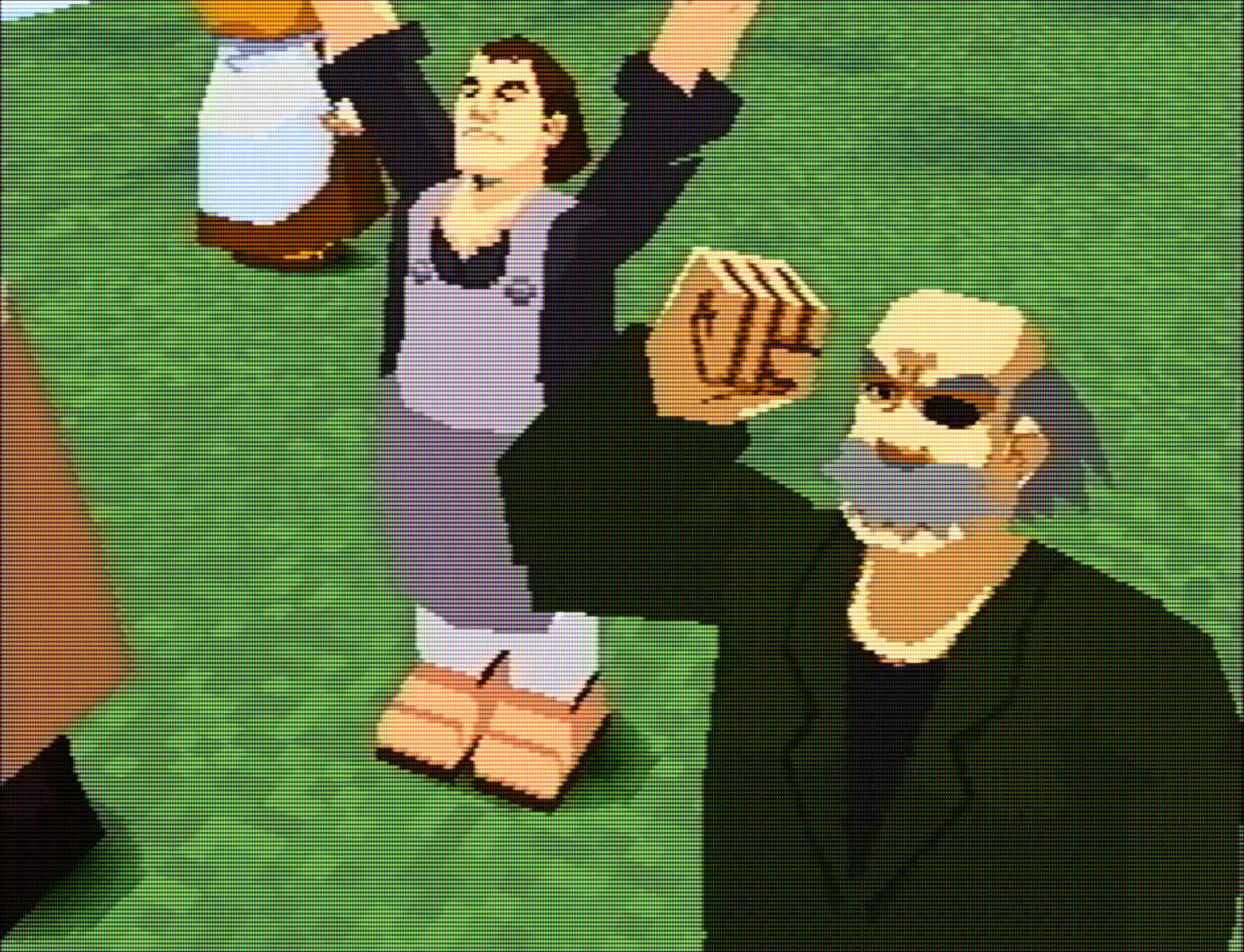
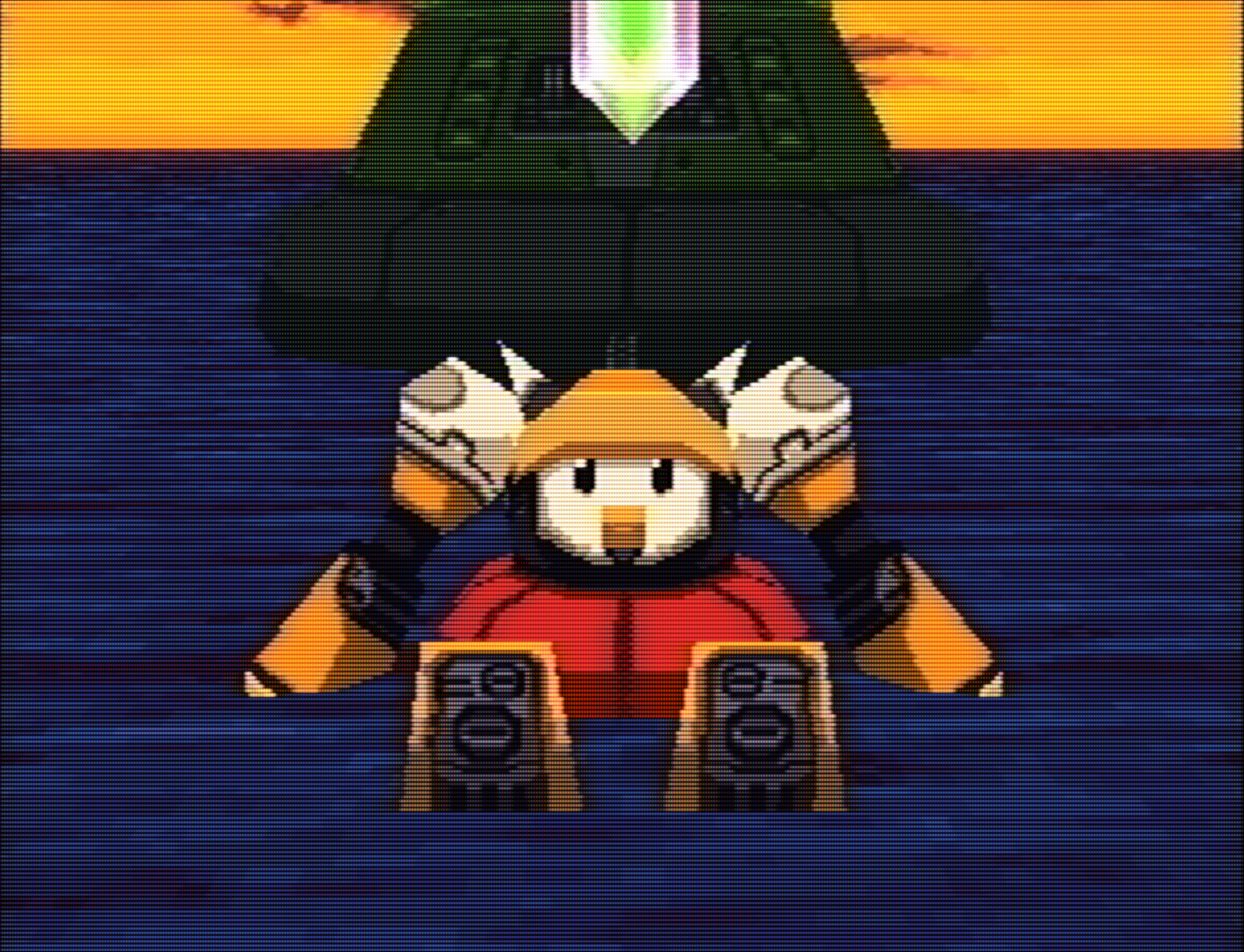
Mega Man Legends speedruns exploit out-of-bounds glitches, optimized weapon purchases, and precise boss patterns to blast through Kattelox Island's ruins at breakneck speed.
Soundtrack
Composed by Makoto Tomozawa, Reiko Kodama & Mitsuhiko Takano
The Mega Man Legends soundtrack trades the classic series' chiptune energy for a warm, cinematic orchestral palette. Town themes are breezy and inviting, dungeon tracks are tense and atmospheric, and boss battles erupt with driving rhythms. The music perfectly matches the game's unique tone — equal parts adventurous, cozy, and dramatic.
Notable Tracks
- Flutter vs. Gesellschaft
- Apple Market
- Main Gate
- Sub Ruins
- The Bonnes' Theme
- Staff Roll

If You Liked This
.png)
Sources & Attribution
- Game description and historical background adapted from Wikipedia
- Trivia sourced from developer interviews, Capcom community archives, and The Cutting Room Floor
- Review scores from IGN, GameSpot, and Famitsu
- Accolades from IGN and Metacritic
- Speedrun data from Speedrun.com
- Playtime estimates from HowLongToBeat
- Screenshots and box art via LaunchBox Games Database
- Soundtrack information from KHInsider
- Pricing data from PriceCharting